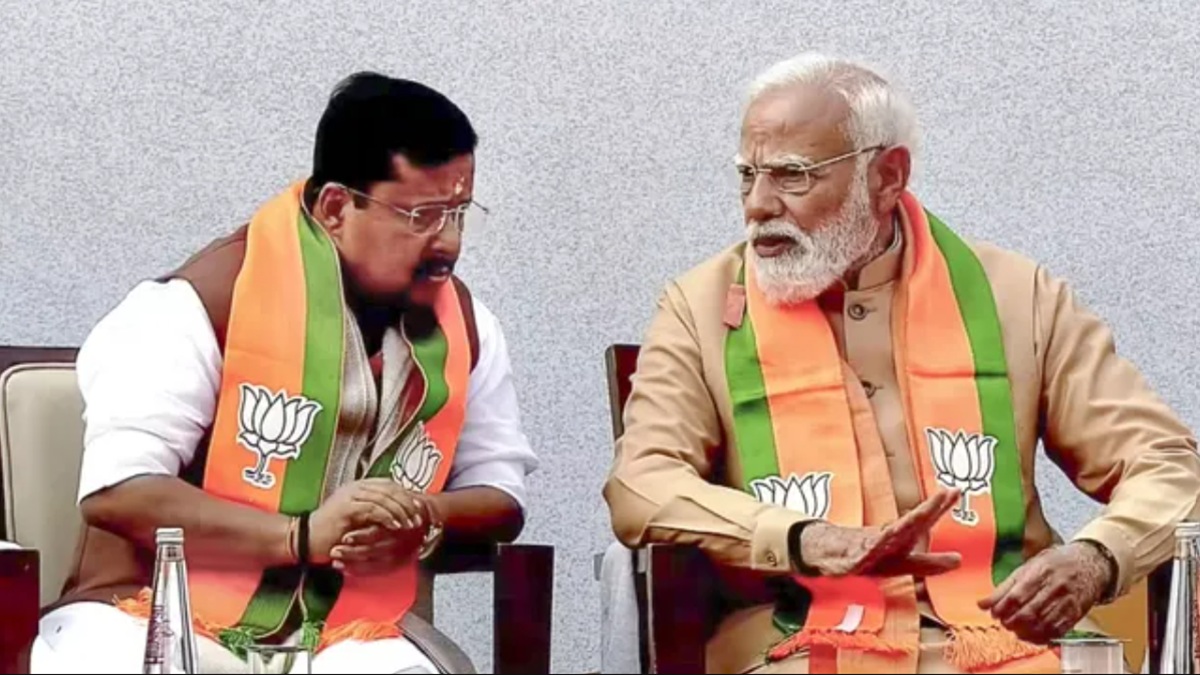


Discussions regarding reshuffle and expansion of the Union Cabinet are currently going on in full swing. It is believed that in the next few days, the Modi government may reshuffle and reshuffle the cabinet for the first time in its third term.
Rajeev Sachan. Discussions on reshuffle and expansion of the Union Cabinet are currently going on in full swing. It is believed that in the next few days, the Modi government may reshuffle and reshuffle the cabinet for the first time in its third term. One of the reasons is that two Union Cabinet members, Pankaj Chaudhary and Harsh Malhotra, have become Uttar Pradesh and Delhi BJP presidents respectively. Another reason is the end of Rajya Sabha tenure of two ministers, Ravneet Singh Bittu and George Kurien. Of this, Kurian has submitted his resignation, and his resignation has been accepted. Ravneet Singh Bittu has not yet resigned, but has said that he will now focus on the upcoming Punjab assembly elections.
One possible basis for the expansion and reshuffle of Modi’s cabinet is the joining of seven Rajya Sabha members from the Aam Aadmi Party to the BJP and six Lok Sabha members from the Shiv Sena (the Uddhav Thackeray faction) joining Eknath Shinde’s Shiv Sena, thereby increasing the ruling party’s strength. The BJP-led National Democratic Alliance has also grown in strength as 20 Lok Sabha members from the Trinamool Congress rebelled against Mamata Banerjee and joined the obscure National Civic Party Indian Alliance, becoming part of the alliance. With this, the party has become the largest constituent of the NDA. It has also surpassed Telugu Desam Party, Shiv Sena (Shinde) and Janata Dal-U in terms of numbers.
Another reason for the expansion and reshuffle of Modi’s cabinet is that assembly elections are due in seven states next year, and the representation of these states in the Union cabinet may increase. Additionally, the reshuffle and expansion of the Union Cabinet is also being discussed as the performance of the ministers in the last two years is expected to be reviewed. This review may lead to promotion or demotion. Whether this will happen is unknown, but the chances are high as new BJP president Nitin Naveen is also tasked with building his team, and as part of that, some leaders may move from the organization to the government and some from the government to the organization. Since the Union Cabinet was reshuffled and expanded during the first and second terms of the Modi government, this is also considered possible. Whenever this has happened in the past, some Union ministers have been dropped unexpectedly, and some surprising faces have joined the Modi government, which few would have expected.
Also read this

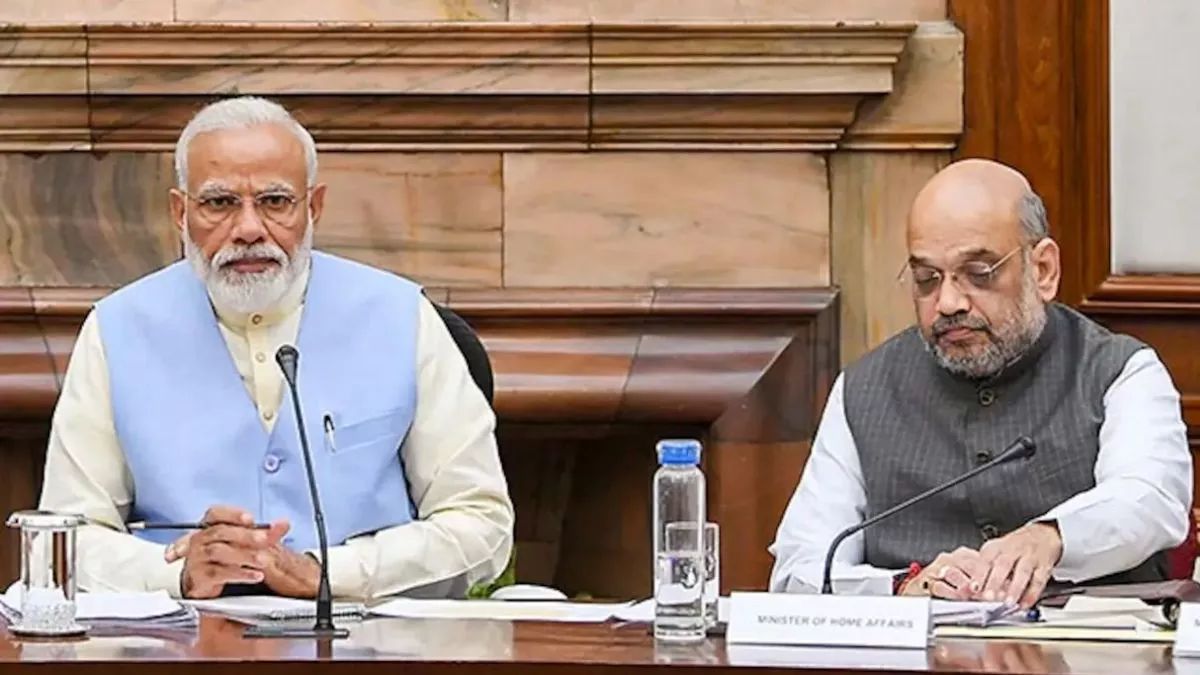
The Modi government surprises with its decisions, and such decisions have not been limited to the selection of ministers. This has also been evident in the selection of Chief Ministers. Who would have thought that Bhajanlal Sharma, who became the first MLA in Rajasthan, would become the Chief Minister? The same thing happened with Delhi Chief Minister Rekha Gupta. Apart from ministers and chief ministers, many other positions including President, Vice President and Speaker of the Lok Sabha have been filled by people who were previously unknown. Taking unexpected decisions beyond the expectations of the general public and political pundits is certainly a hallmark of the Modi government, but this does not mean that every surprising decision is a complete, masterstroke.
It is true that any head of government should consider social and regional factors while selecting ministers. However, even while doing so, priority should be given to competence, as a government can meet public expectations only on the basis of the performance of its ministers. Almost every government cabinet consists of a few individuals who work exclusively to balance social and regional factors. However, when efficiency and effectiveness are not prioritized, the consequences are felt by both the government and the public. It would be difficult for anyone to say that all the ministers of the Modi government have stood the test.
An efficient government should review the performance of its ministers and their ministries on a continuous basis, not just every year or two. Similarly, there is no justifiable reason to put ministers in charge of assembly elections. If they are fit for the organization, they should be placed in the organization and not in the cabinet. Recently it has become a trend that whenever Assembly elections are held, important Union Ministers are appointed as Election In-charges or Co-in-charges. This was also evident in the recent assembly elections. Do Union ministers have so little work to do that they leave their ministries and focus on helping the party win assembly elections?