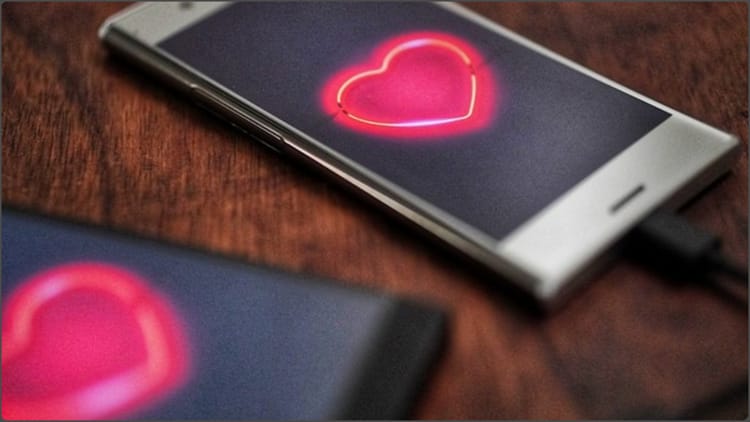
Just before Valentine’s Day, when dating apps see the most traffic, hackers have targeted some of the world’s biggest platforms. Companies like Bumble and Tinder’s parent company Match Group have confirmed that a cyber attack has been attempted on their systems. This news has given sleepless nights to the users because very personal information of the users is available on these apps.
How did the hackers break in?
According to a Bloomberg report, hackers not only targeted dating apps but also the internal systems of companies like Crunchbase and Panera Bread. The surprising thing is that this attack did not happen due to technical fault of any software, but due to human error.
Hackers used phishing techniques. They tricked the company’s employees or contractors, obtained their login credentials and entered the network.
What do Bumble and Match Group have to say?
Bumble acknowledged that a phishing email from a contractor gave the hackers access to the internal network. However, the company says that the attackers were removed in time and user accounts, passwords or chats remained safe.
Also read: Does the body age faster in space? Scientists solved the unique mystery of age
Match Group has confirmed the attempted cyber attack on January 16. Hacking group ShinyHunters took responsibility for this, but the company claims that no user’s login data, financial information or private chats were leaked.
Why is there more risk for users?
Dating apps contain more information about users than other online platforms. It contains information like user’s photo, contact details and location. Also, many personal information like age, complexion, height, likes and dislikes, conversations make dating apps the first choice of cyber criminals. Also, many people use the same password on different platforms, which further increases the risk.
Also read: OpenAI can bring ‘human-only’ social network, identification will be done through Face ID, X and Instagram will get tough competition
Cyber security experts say that even though the damage is said to be limited, even small information can be used in identity theft, fraud or targeted scams in the future.