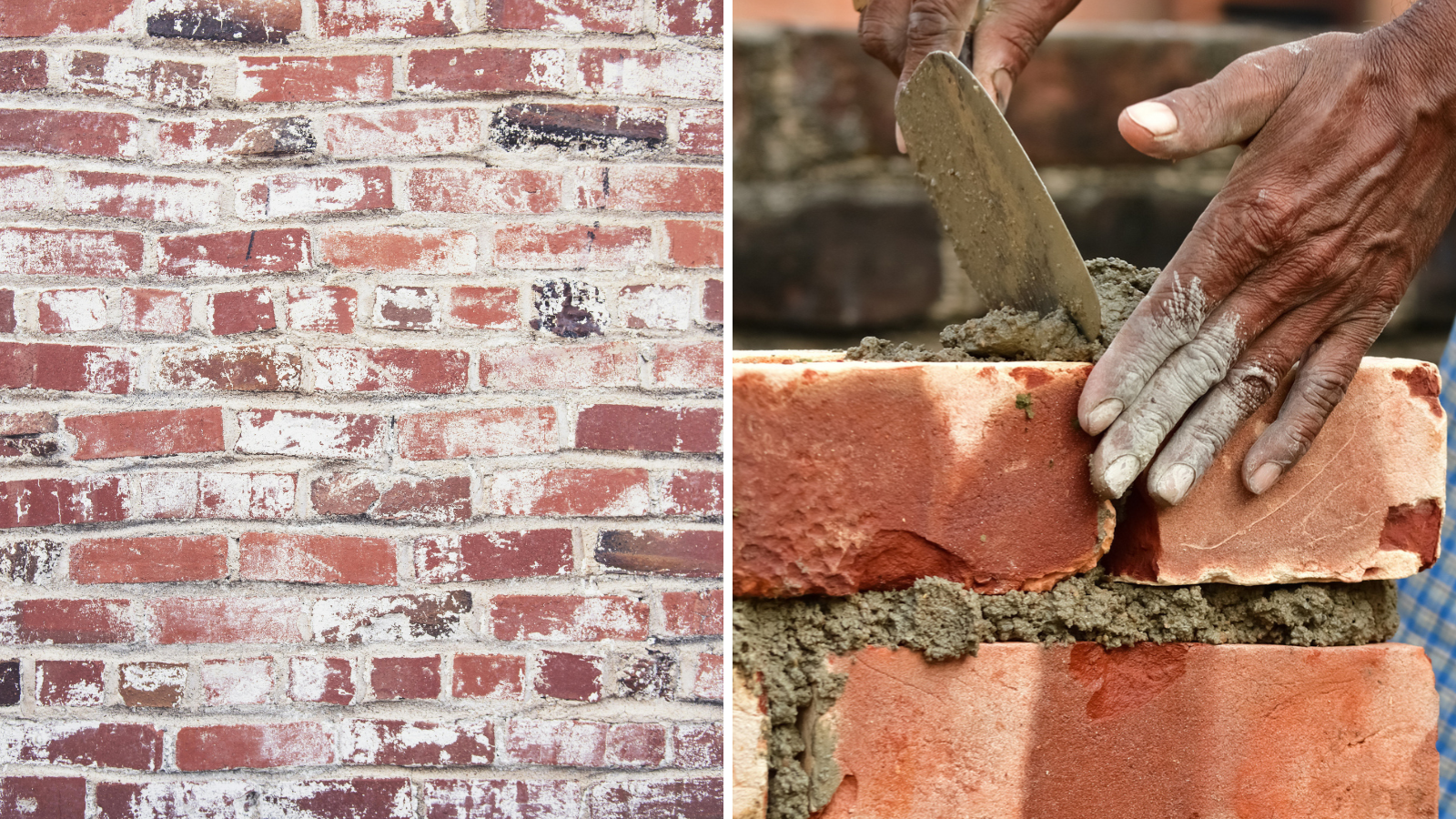
According to engineer Vishal Mishra, the real reason for this is the poor quality of water. If the water used during construction has high salt content or its pH value is above 8, the walls start releasing salt as they dry. This white layer gradually weakens the brick particles, causing the plaster to peel off and the paint to deteriorate. To keep the house strong for a long time, it is important to understand what saltpetre is and how it can be avoided.
What is saltpeter or fluorescence?
When the salt inside the bricks or cement comes out with moisture and when the water dries, it solidifies as a white powder, then it is called saltpetre. In civil engineering it is called fluorescence. This is exactly the same as when sweat dries, white spots appear on clothes.
Water testing is most important
According to the engineer, never use salt water while building a house. The pH value of water should be less than 8. Always prepare the masala with potable sweet water and clean the walls. If the pH value of water is more than 8, the chances of getting salt water increases by 90%. If salt water is used in brick kilns, those bricks will always release salt.
Disadvantages of saltpeter
- Decrease in strength- Saltpetre makes the bricks brittle from inside, due to which they become weak.
- Falling of plaster and paint- This layer breaks the bond between the plaster and the brick, causing expensive paint and putty to flake off and fall off.
- Problem of dampness- Salt absorbs moisture from the environment, causing walls to always feel wet and the house to smell musty.
Safety measures during construction
Water test: Get the water used tested, pH should be between 6 to 8.
Quality of bricks- While buying red brick, make sure that it is well baked. Raw bricks absorb more moisture and contain more salt.
Brick Batting: Before masonry, wash the bricks thoroughly with fresh water to remove surface salt.
solution to remove dust from wall
If salt is visible on the wall, it should be repaired immediately. For this, first of all clean the white powder by rubbing it with a dry wire brush. Wash the wall by adding mild hydrochloric acid to water. However, this work would be better done under the supervision of an expert. Apart from this, many types of liquids are available in the market which when applied before plaster does not allow the salt to come out.
Causes and prevention of getting salt water
Waterproofing and strength
To strengthen the wall, use a good waterproofing compound while plastering. Use only clean water for cleaning the wall after masonry. While making the foundation of the house, definitely get DPC done so that the moisture in the ground does not reach the walls. While plastering, mixing waterproofing liquid of a good company in cement also reduces the risk of noise.
Disclaimer: The claims made in this article are based on YouTube videos and information found on the internet. NBT does not take responsibility for its truthfulness and accuracy.