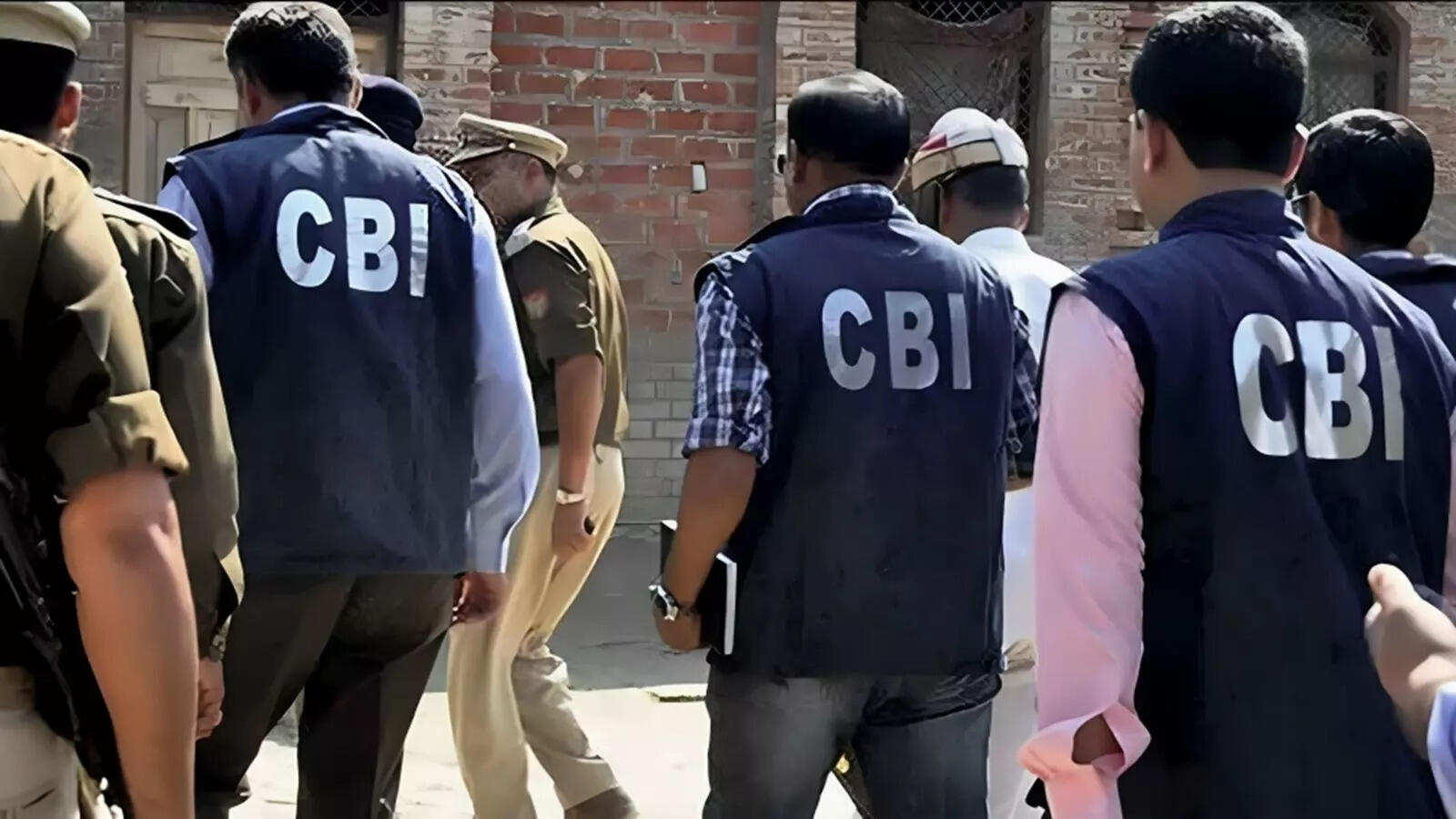
Rs 60 lakh cash and hardware recovered during search operation
During these search operations, the investigators recovered Rs 60 lakh in cash as well as incriminating hardware. Apart from the arrests, the agency also froze “mule accounts” that were used to transfer illicit funds. The campaign was launched on January 30 after receiving information from foreign agencies about scammers.
The fraud was targeting both domestic and international people
“The gang was targeting both domestic and international people through sophisticated digital fraud,” a senior official said. The CBI simultaneously conducted search operations at 35 locations and traced the suspects located in Karnataka, Punjab, Rajasthan, Uttar Pradesh, Uttarakhand, Telangana and West Bengal. The raids targeted gangs that used pseudonyms to swindle money from innocent victims around the world.
One of the most significant successes was in Delhi, where the agency busted a gang that was defrauding citizens in the US. During the raid, investigators seized a cache of electronic devices, including laptops, mobile phones and computer hard disks, which contained incriminating digital evidence of large-scale financial theft. A prominent figure named Phokrehri Peter was arrested on the spot.
The game was being played through a fake website
In this connection, CBI busted a fake visa and employment racket operating in New Delhi, Ghaziabad and Karnataka. The gang was using fake websites to impersonate official portals of the Kuwaiti government. They were luring Indian citizens with huge amounts of money by promising them fake Kuwaiti e-Visa and fake jobs in leading companies. CBI officials recovered Rs 60 lakh from one of the accused, besides seizing forged documents and digital templates. Another prime suspect named Suraj Srivastava was also arrested.
The gang operated through a sophisticated system that combined digital fraud and intense financial manipulation. At the time of contact, the gang members would pose as official entities using fake domains and pseudonyms and trick victims into making immediate payments for fraudulent services.
Money was transferred to secret accounts
Once the money was sent, it was immediately routed to a web of multiple secret accounts – these were intermediary bank accounts that were used to move the money to different regions and erase audit trails. This decentralized approach allowed the ringleaders to distance themselves from the initial crime, while specialized “cash-clearing” teams eventually converted the digital proceeds into untraceable hard currency.