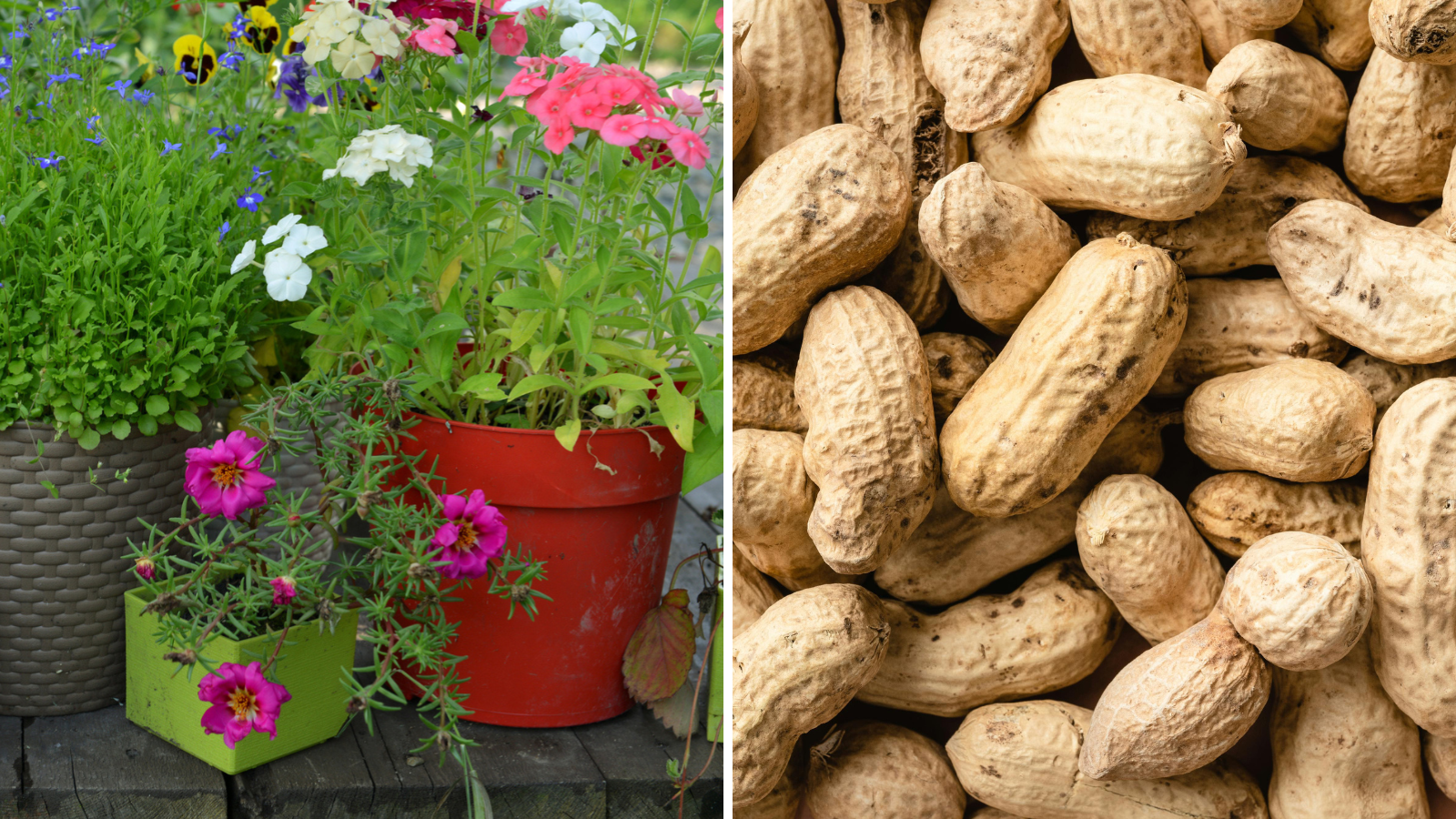
If they are put directly in the pot, it takes 4-6 months to decompose naturally. Which also invite fungus and ants. In such a situation, peanut peels can be used properly by making compost. So that the garden can get plenty of nitrogen and potassium without any expense.
Why avoid direct use?
Actually, peanut peels are very hard. When they are put directly into the soil, they absorb the moisture of the soil and do not melt easily. During this time, they start drawing nitrogen from the soil, which can stunt the growth of your plants. Apart from this, there is a fear of ants and fungus growing directly under the peels, which can damage the roots of the plants.
Preparing to make compost
Peepal Baba suggests that peanut peels should be used as fertilizer. So for this collect peanut shells in large quantity. Keep in mind that the peels should be plain. If you have eaten salted peanuts, wash the peels thoroughly with water first. After this, crush the peels a little or break them into small pieces, this speeds up the process of decomposition.
Use layering method
To make compost, take a compost bin or clay pot. Place dry leaves or pieces of cardboard at the bottom. Spread a thick layer of peanut shells on top of it. Now add a layer of old manure or soil on it. To speed up the composting process, you can also add some jaggery water or buttermilk to it, which activates the bacteria that cause decomposition.
Balance of moisture and oxygen
Moisture is very important for preparing peanut peel compost. So keep spraying water from time to time so that the mixture remains wet, but do not overwater it. Stir the mixture up and down with the help of a stick every 10-15 days. This will allow air to penetrate inside and the compost will be prepared quickly without any smell. With this trick the peels will turn into fertile compost within 2-3 months.
How to use fertilizer
When the peanut peels become completely black and brittle, then understand that the fertilizer is ready. You can mix it in the old soil and plant new plants. Or you can remove the top soil of the pot and spread a 2-inch thick layer of compost. If you want, you can also use it by mixing it with other organic fertilizers like vermicompost, it makes the soil light and airy.
Peepal Baba’s suggestion
Mulching is the smart way
If you don’t want to compost, another method is mulching. But for this also it is necessary to wash and dry the peels first. To save soil moisture in summer, you can spread a layer of peels over the pot. It protects the soil from direct sunlight. However, mulching should be removed during the rainy season so that there is no risk of fungus.
Disclaimer: The claims made in this article are based on YouTube videos and information found on the internet. NBT does not take responsibility for its truthfulness and accuracy.