‘If you can’t follow the Constitution then leave India’
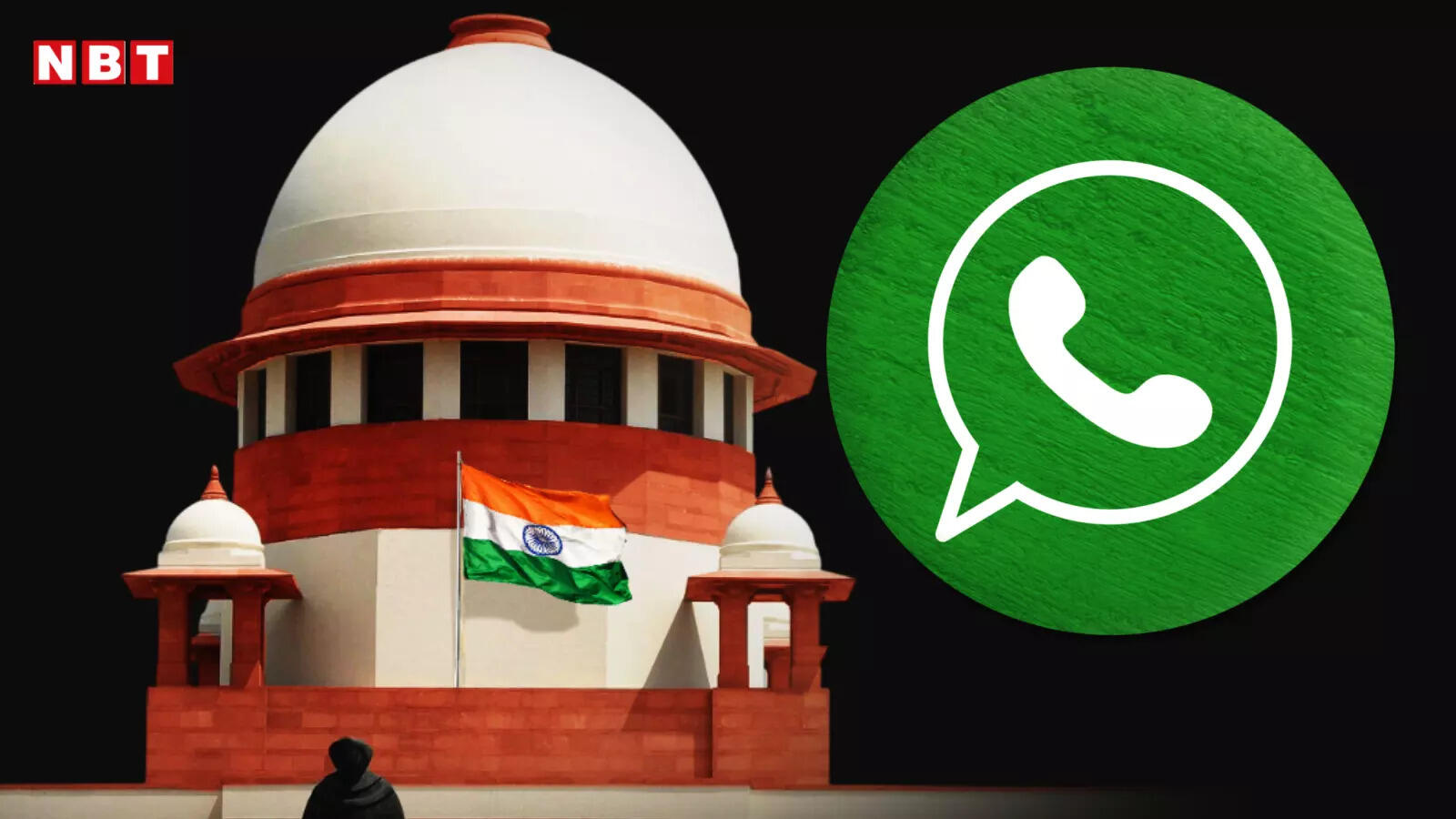
In the Supreme Court, CJI Surya Kant warned the American company WhatsApp that ‘…we will not allow you to share even a single digit of your data.’ The court said that if the company does not want to follow the laws of the country then it can leave India. When Solicitor General Tushar Mehta, appearing on behalf of the government, mentioned that the policy was being adopted with ‘exploitative’ intentions, the Chief Justice of India told the company, ‘If you cannot follow our Constitution, then leave India. We will not allow the privacy of citizens to be compromised.
‘Can’t play with the right to privacy’
WhatsApp fined Rs 213 crore
Expanding the scope of this case, the Supreme Court has also made the Ministry of Electronics and IT (MeitY) a party in it and has said that it will issue its interim order on it on February 9. The Supreme Court made this comment during the hearing on the appeal filed by WhatsApp and Meta. He has challenged in the Supreme Court the order of the Competition Commission of India, which has imposed penalty on WhatsApp’s privacy policy ‘Take it or Leave it’.
‘Rules related to privacy are made cleverly’
During the hearing, the Supreme Court said that the privacy-related rules of big technology companies are ‘made so cleverly that citizens will not understand them’. And on the basis of consent from the user, the question was raised that ‘where is the question of opt-out.’ The Supreme Court said that these methods cannot be justified in the name of data sharing or user acceptance.
The matter is related to WhatsApp privacy policy
This controversy is related to the 2021 privacy policy update of WhatsApp. In November last year, the National Company Law Appellate Tribunal (NCLAT) had upheld the Rs 213.14 crore fine imposed by the Competition Commission of India on WhatsApp and Meta. This penalty was imposed on the company for making changes in the policy taking advantage of its dominant presence in the market. The company has now challenged this decision in the Supreme Court. (With PTI inputs)