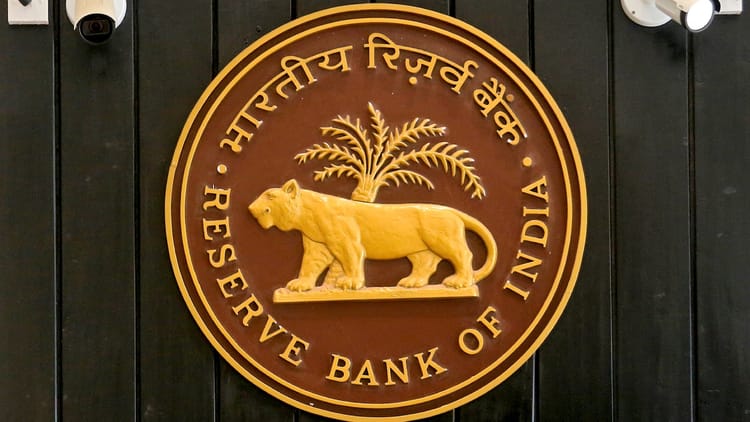
Are you also troubled by the constant unwanted calls from banks or the insurance products forcibly affixed while taking the loan? If yes, then Reserve Bank of India (RBI) has brought big relief for you. The central bank on Wednesday took a historic step to eliminate the culture of ‘mis-selling’ in banks and financial institutions.
RBI has issued new draft guidelines for advertising, marketing and selling of financial products and services. It clearly proposes that banks should avoid any incentive structure that encourages employees to sell wrong products to customers.
There will be a complete stop on incentive and ‘push’ sales
In the new draft, RBI has drawn the Lakshman Rekha for banks. The central bank has clearly stated that banks must ensure that their policies and practices neither create incentives for mis-selling nor encourage employees or Direct Sales Agents (DSAs) to ‘push’ sales of products.
It is often seen that there is a competition among bank employees to sell more products. Cracking down on this, RBI has said that practices like organizing competitions for sales among business units or fixing specific days for ‘targeted selling’ should be stopped. Additionally, the draft also seeks to ensure that employees selling third-party products (such as mutual funds or insurance) should not receive any incentive, directly or indirectly, from that third party.
Bundling like ‘loan with insurance’ will no longer work
The biggest complaint of customers is about ‘bundling’, where banks forcefully sell some other product along with the loan. According to the RBI proposal, banks should not be allowed to bundle any third-party product or service with their own products. The central bank has stressed that the customer should be given the right to choose the product of his choice from the options of different companies.
If proved to be a mistake, the entire money will be returned
The toughest aspect of this draft is to fix accountability. RBI has proposed that in cases where mis-selling is proven, banks will have to refund the entire amount paid by the customer for the purchase of the product or service. Not only this, the bank will also have to compensate the customer for any loss caused due to mis-selling under an approved policy.
Strictness on call timings and ‘dark patterns’
RBI is also keeping an eye on the techniques that mislead customers in the era of digital banking:
- Consent required: Banks will be able to call customers only if they have given their consent.
- Time Limit: Promotional calls can be made only during office working hours.
- Dark Pattern: RBI has asked banks to ensure that no ‘dark pattern’ is used in their user interface (app or website). The draft lists about a dozen cases that banks should avoid.
Opinion sought from common people till March 4
It is noteworthy that RBI Governor Sanjay Malhotra had already announced his broad intention to bring such regulations, after which this draft has been released. The general public and stakeholders have been given time till March 4 to give their feedback on this draft.
This step of RBI can prove to be a milestone in the direction of bringing transparency in the banking sector. If these proposals are implemented, not only will customers be freed from unwanted products, but accountability of banks will also be fixed. Now the ball is in the court of banks as to how they improve their functioning.