1. Electric vehicles (EV) will be cheaper
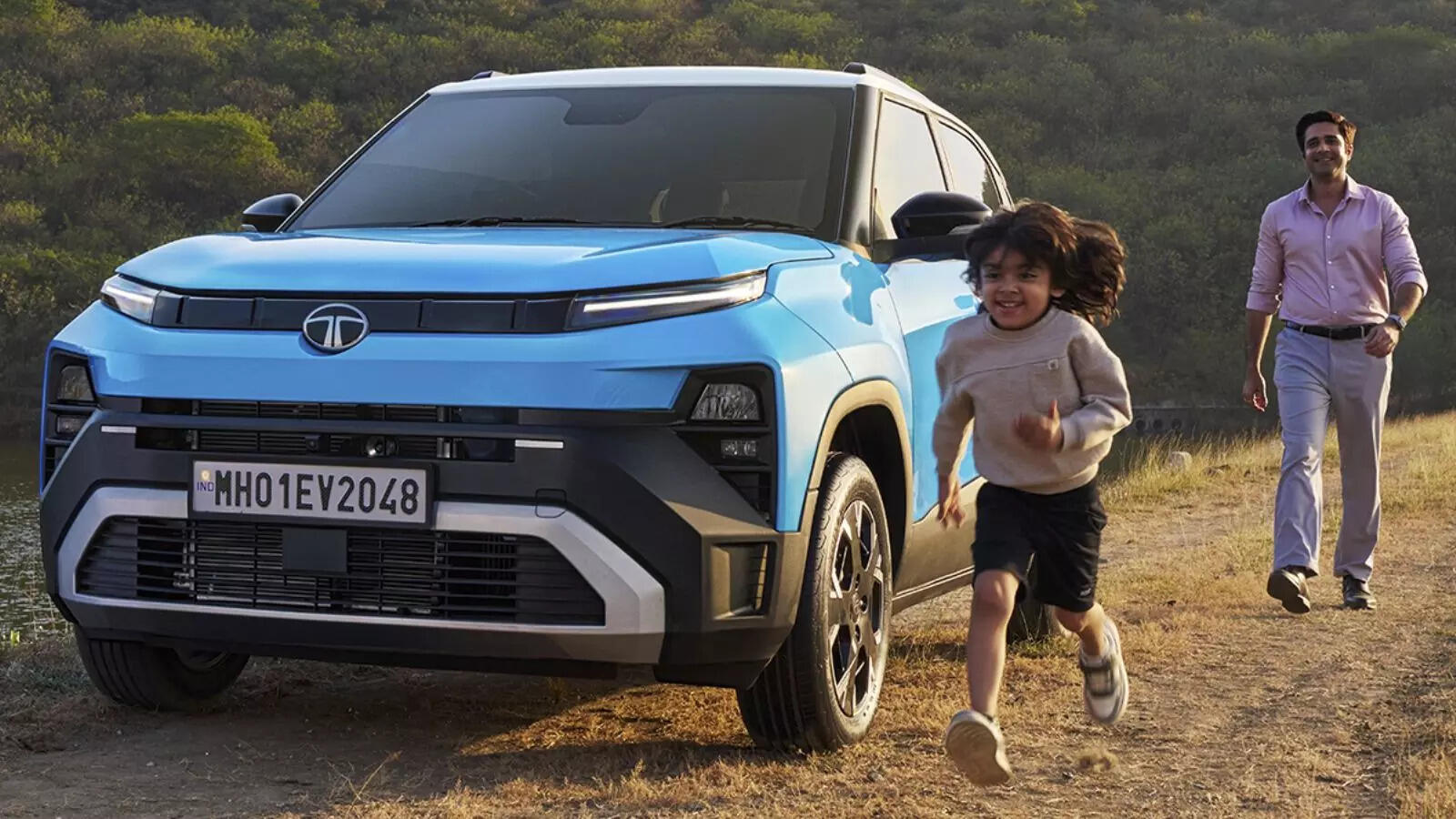
The first good news is that electric vehicles can be affordable in India. The government has increased the tax (duty) exemption on machines manufacturing lithium-ion batteries. Apart from this, tax on minerals (like lithium and cobalt) used in making batteries has also been reduced. Its advantage will be that it will be cheaper to make batteries in India, which will reduce the prices of electric cars and scooters.
2. CNG prices may come down
In Budget 2026, the government has completely removed the excise duty on Biogas-blended CNG. This may reduce the prices of CNG, which will benefit the common man and travel will become cheaper.
3. Semiconductor Mission 2.0
Chip (Semiconductor) plays a big role in today’s cars. The government has launched Semiconductor Mission 2.0 for this and increased the budget for electronics manufacturing from ₹22,919 crore to ₹40,000 crore. This will improve the supply of chips for cars in future and the vehicles will become smarter.
4. Silver of small businessmen (MSME)
An SME growth fund of ₹10,000 crore has been created for companies manufacturing small car parts. With this, small suppliers will be able to easily get loans to install new machines and expand their business.
5. Rare Earth Corridors
India no longer wants to depend on China for the minerals required for batteries. For this, rare earth corridors will be built in Odisha, Kerala, Andhra Pradesh and Tamil Nadu. This will reduce dependence on countries like China for raw materials and work from mining to manufacturing will be easier in India.
6. Goods transportation will be cheaper and faster
The government has announced the construction of a new dedicated freight corridor between Surat in Gujarat and Dankuni in West Bengal. This will reduce traffic on the roads and it will be cheaper and faster to transport vehicles from one city to another.
7. Development of waterways
20 new national waterways will be started in the next 5 years. It will start from National Waterway-5 of Odisha. This will provide a cheaper option for movement of goods between ports and factories, which will reduce the cost of vehicles.