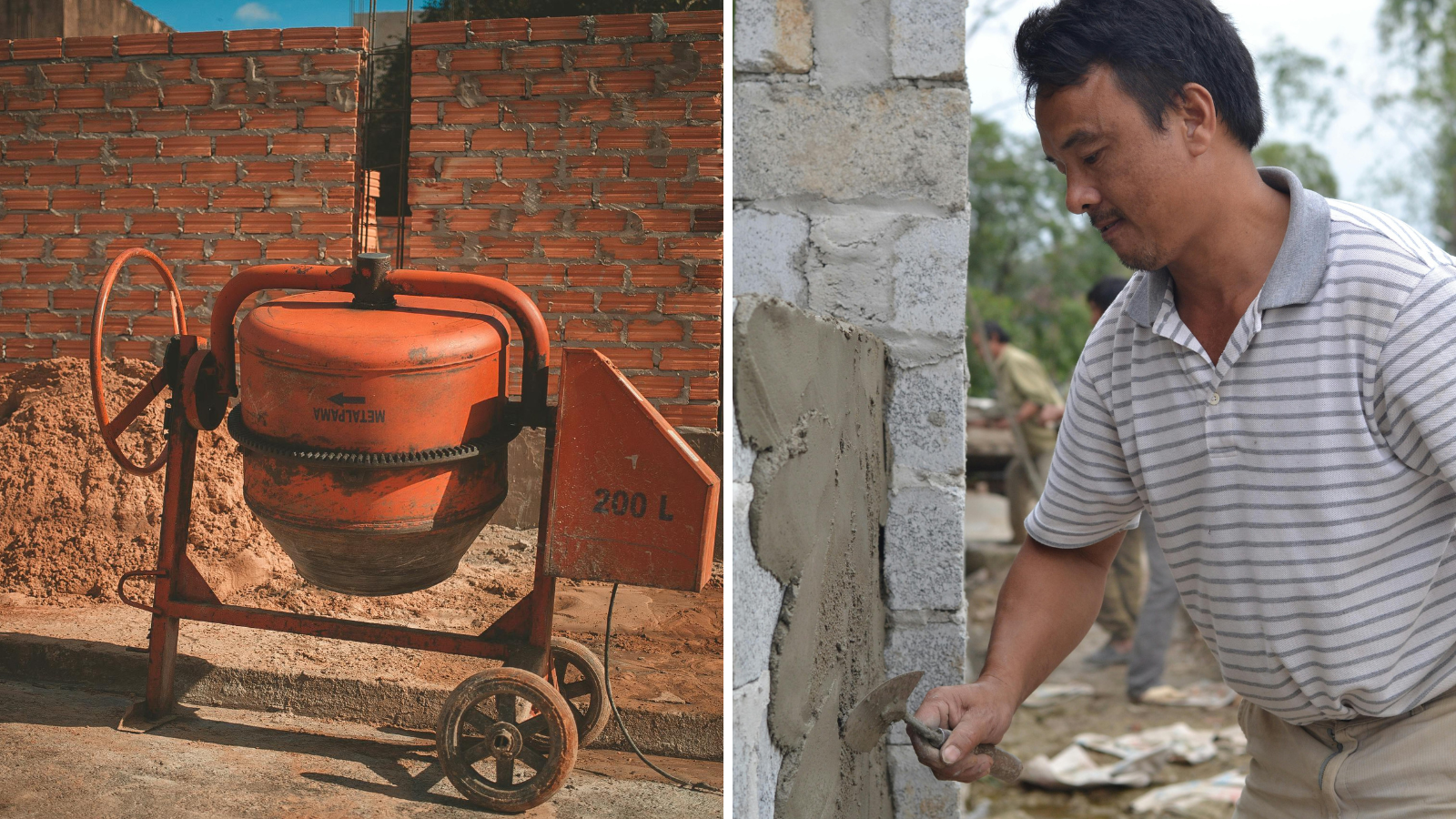
If things like sifting sand, using mesh on the joints of concrete and bricks, and applying the right amount of cement solution are not taken care of, then the beauty of the house starts deteriorating within a short time. To avoid future problems, the civil engineer has told 6 things to be kept in mind while plastering, by adopting which you can not only avoid cracks in the walls, but can also make the finishing of the paint look great.
Sand filtration and quality
The role of sand is most important in plaster work. Always use sand only after filtering it thoroughly. By filtering, pebbles, stones and dirt present in the sand are removed. According to civil engineers, fine sand is considered best for plaster. If the sand is coarse or contains high amounts of clay, then the chances of developing fine cracks on the walls after the plaster dries increases.
Use of fiber mesh or ‘cock mesh’
Cracks often appear first where brick walls and concrete columns join together. To avoid this problem, fiber mesh or chicken mesh must be installed on these joints. The same rule also applies to the cutting done for fitting electric pipes. After fitting the pipe, cover that part with mesh and then plaster. This mesh holds two different materials together firmly.
Hacking is necessary
The surface of concrete columns or roofs is very smooth, due to which the cement mortar does not stick easily to them. Therefore, before starting plastering, it is very important to make hacking i.e. small holes or tucks on the concrete surface. If foil has been used while molding the roof, then the surface there becomes even smoother, in such a situation also hacking is necessary so that the spice can take root.
mortar with water and cement
Just one day before applying plaster, the wall or ceiling should be thoroughly soaked with water. It is important to wet the surface even during the work day. After this, apply a thick solution of cement and water on the wall. This solution acts like a glue between the old wall and the new plaster, so that the plaster does not leave the wall in future nor does it sound hollow.
Correct proportion and thickness of cement
The correct mix of cement and sand in the mortar is a guarantee of strength. According to the engineer, the most accurate ratio for plaster is 1:4 or 1:5. This means that if you are taking 1 tala of cement, then mix 4 or 5 tala of sand in it. Also, the thickness of plaster on interior walls should be between 10mm to 12mm. Too thick plaster creates a fear of falling or bursting due to its own weight.
civil engineer’s tips
Pay attention to finishing and gap
While plastering, take special care that the mortar is applied evenly and at the same level on the entire wall. No empty space or gap should be left anywhere. When the plaster is uniform, the subsequent putty and paint finishing looks great. Rough plaster not only looks bad, but it also costs more to paint it.
By keeping in mind the things told by the civil engineer while getting your house built, you can avoid future problems.
Disclaimer: The claims made in this article are based on YouTube videos and information found on the internet. NBT does not take responsibility for its truthfulness and accuracy.