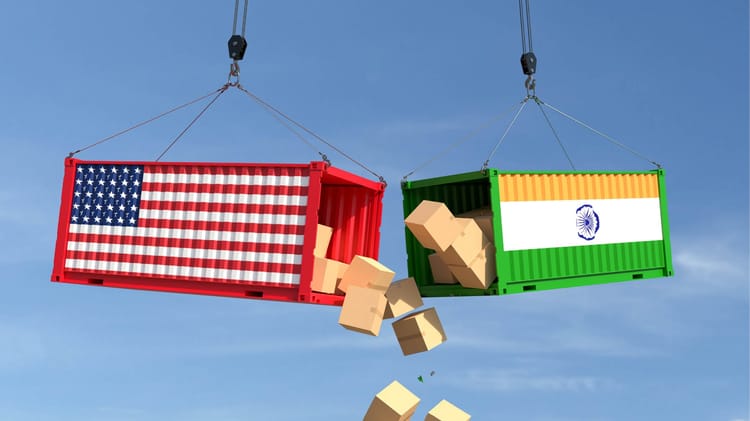
Small exporters are in trouble due to the end of the facility to send goods up to $800 duty free to America. Now with the imposition of duty, it is taking a lot of time for small parcels to come out through the customs process. Traders and exporters want the Indian government to talk to America on this issue also. In fact, earlier there was no duty on consignments sent to America worth up to $800. But when the tariff war started last year, up to 50 percent tariff was imposed on Indian goods in a phased manner.
Along with this, last year America has abolished this facility under Section 321 of the Tariff Act, 1930 of the United States. This facility was of great help to small exporters, artisans and enterprises involved in cross-border e-commerce. Many challenges have increased due to the end of this exemption.
US market and small enterprises
Small enterprises producing handicrafts and labor-intensive products are no longer able to compete in the US market due to high costs. This earlier limit also facilitated online international trade. Indian products were to be delivered directly to American customers without the need for additional fees or complex documentation.
This gave global recognition to many Indian direct-to-consumer brands. The decrease in orders due to increase in duty is having a direct impact on employment and income. Now the exporters want the Indian government to talk to the US and restore the discount on duty-free consignments worth up to $800.
It is taking more time for goods to come out of customs
Sudeep, founder of Rajgarhiya Export, says that the loss of the facility of sending duty free goods to America is already causing losses. Plus, it’s taking a lot of time for goods to come out of customs. Due to closure of the facility, lakhs of small entrepreneurs across the country are in a difficult situation.
Crisis on employment and workers’ income
Hassan Yakub, public policy expert and co-chairman of ASSOCHAM UP, says that such small exporting enterprises employ a large number of artisans and skill-based workers. The decrease in orders due to increase in duty has a direct impact on employment and income. This facility under Section 321 also made the customs process faster and simpler, allowing exporters to do business with full compliance. In the absence of this facility, Indian exporters lag behind in comparison to countries which still have such exemptions.
The Government of India should be urged to ensure a stable policy for granting duty free entry to low value Indian shipments. This step will empower small enterprises, artisans, exporters and the rapidly growing e-commerce export ecosystem. Make in India will further strengthen India’s vocal support for local and growing participation in global trade.
other videos